What Strategic Shifts Has Robert Susa Led In Response To Industry Change?

Discover how Robert Susa has led thoughtful strategic shifts in response to industry change, strengthening transparency, education, and ethical leadership to empower inventors with confidence and clarity.
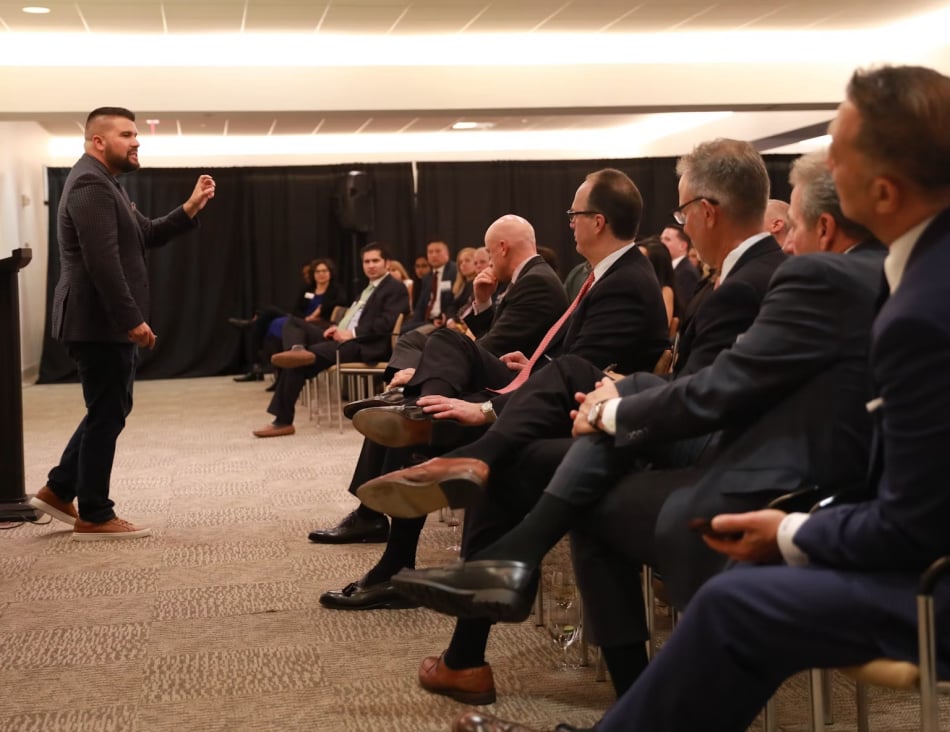
Robert Susa stands out as a seasoned business leader whose career reflects a rare blend of strategic foresight and genuine advocacy for independent inventors. With decades of experience guiding innovators through the often complex journey from concept to commercialization, his leadership style has consistently emphasized transparency, ethical responsibility, and informed decision-making. As President and Owner of InventHelp, Robert Susa has built more than an organization; he has cultivated an environment where inventors feel supported, educated, and respected.

What sets Robert Susa apart is his deep understanding of how innovation ecosystems evolve. Rather than reacting impulsively to change, he approaches industry shifts with deliberation and clarity. His background in business development and organizational communications has allowed him to recognize early signals of transformation, whether driven by technology, market expectations, or regulatory frameworks. This awareness has informed strategic shifts that prioritize long-term sustainability over short-term gains.

Under his leadership, InventHelp has consistently refined its service model to ensure inventors are not only assisted but empowered. From patent referral services to prototype modeling and professional presentation materials, each offering reflects a deliberate response to industry complexity. Robert Susa has ensured that inventors are fully informed at every stage, reinforcing trust and setting realistic expectations throughout the invention process.

Beyond operational strategy, Robert Susa’s influence is deeply rooted in mentorship and education. He believes innovation flourishes when individuals are equipped with knowledge and confidence, not pressure or ambiguity. This belief has shaped his professional ethos and continues to guide how strategic change is implemented across the organization. 

Robert Susa: Transforming Ideas Into Achievements

One of the most significant strategic shifts Robert Susa has led is the move toward principled adaptability. As the invention services landscape became more crowded and increasingly scrutinized, he recognized the importance of refining processes without compromising integrity. Rather than chasing trends, his focus remained on strengthening foundational practices that protect inventors and elevate professional standards.

This adaptability is grounded in clarity. Robert Susa understood that as inventors became more informed and discerning, they expected greater transparency and structure. In response, he emphasized clearly defined workflows, improved communication touchpoints, and accessible educational resources.

These changes weren’t cosmetic; they represented a deeper shift toward accountability-driven leadership that aligned with evolving industry expectations.
By prioritizing adaptability rooted in ethics, Robert Susa positioned his organization to remain relevant without sacrificing trust. This approach reinforced confidence among inventors who sought reliable guidance in an increasingly complex innovation environment. 


Strengthening Transparency As An Industry Differentiator

As industry conversations around accountability intensified, Robert Susa led a strategic pivot toward enhanced transparency. He recognized that trust is not built through promises but through consistent, understandable communication. This insight led to clearer explanations of services, outcomes, and limitations, ensuring inventors could make informed choices.

Transparency became a strategic asset rather than a compliance requirement. Robert Susa encouraged open dialogue at every stage of the invention journey, helping inventors understand what success realistically looks like. By setting honest expectations, he reduced confusion and strengthened long-term relationships.

This shift also influenced internal culture. Teams were encouraged to communicate with precision and empathy, reinforcing the idea that transparency benefits everyone involved. The result was a service model that felt collaborative rather than transactional. 

Evolving Services To Meet Modern Inventor Expectations

Another critical strategic shift under Robert Susa’s leadership involved modernizing service offerings to align with changing inventor needs. As technology reshaped how ideas are developed and presented, he guided thoughtful enhancements to prototype modeling and presentation materials. These updates reflected a broader understanding of how innovations are evaluated in contemporary markets.

Rather than overextending services, Robert Susa focused on quality and relevance. Each enhancement was designed to help inventors articulate their ideas more clearly and confidently. This shift demonstrated his belief that strong communication is just as important as technical ingenuity.

By continuously refining service delivery, he ensured that InventHelp remained responsive to evolving standards while maintaining its core mission of inventor support. 

Emphasizing Education As A Strategic Response

Education has long been central to Robert Susa’s leadership philosophy, but it became an even more deliberate strategy in response to industry change. As misinformation and unrealistic expectations grew more common, he reinforced educational initiatives that empower inventors with practical knowledge.

This shift wasn’t about overwhelming inventors with information; it was about guiding them through complexity with clarity. Educational materials and mentorship opportunities were designed to build confidence and foster realistic decision-making.

By positioning education as a strategic pillar, Robert Susa reinforced the idea that informed inventors are better equipped to navigate challenges and pursue opportunities responsibly. 

Cultivating A Culture Of Ethical Leadership 

Industry change often tests organizational values, and Robert Susa responded by doubling down on ethical leadership. He recognized that sustainable success depends on trust, consistency, and respect for creative effort. This understanding shaped internal policies and external engagement alike.

Ethical leadership under his guidance meant prioritizing the inventor’s best interest, even when it required difficult conversations. By reinforcing integrity at every level, Robert Susa ensured that strategic growth never came at the expense of credibility.

This culture of ethics became a stabilizing force during periods of change, providing both staff and inventors with a clear sense of purpose and direction. 

Preparing For The Future Through Continuous Improvement

Perhaps the most enduring strategic shift Robert Susa has led is the commitment to continuous improvement. Rather than viewing industry change as a series of disruptions, he approaches it as an ongoing process that requires reflection and refinement.

This mindset encourages regular evaluation of services, communication practices, and educational resources. By remaining open to improvement, Robert Susa ensures that the organization evolves alongside inventors’ needs rather than lagging behind them.


His leadership demonstrates that strategic resilience is built not through dramatic overhauls but through thoughtful, consistent progress guided by experience and principle.

Frequently Asked Questions

Robert Susa views integrity as consistency between values and actions. For him, leadership integrity means being transparent, accountable, and respectful in every decision and interaction. 

Transparency builds trust by ensuring everyone has accurate information and clear expectations. It reduces confusion and helps teams align their efforts with shared goals. 

When accountability is fair and supportive, it encourages ownership and learning. This approach helps teams grow while maintaining high ethical standards. 

Mentorship allows ethical values to be shared through real experiences and guidance, helping develop future leaders who understand and uphold integrity. 

Integrity is sustained through continuous communication, reflection, and improvement. Leaders who remain open and adaptable help ensure ethical values endure over time.