Discover the key differences between copyright law and trademark law in this expert guide. Learn how each protects your creative works, brand identity, and business assets, and find out when to seek patent services from Project Patent by Kaufhold and Dix Patent Law.
Copyright law is one of the most widely used forms of intellectual property protection, yet it remains surprisingly misunderstood. At its core, copyright safeguards original works of authorship—creations of the mind that are fixed in a tangible medium. That includes literature, music, artwork, photography, digital content, and even architectural designs. If the work reflects some level of creativity and is captured in a form that can be shared or reproduced, copyright protection applies.
One of the things I find fascinating about copyright law is how effortless it is for creators. The moment a work is created and fixed—no forms, no filings, no fees—it’s protected. That instant shield is powerful, but it also creates a false sense of security. While creators automatically receive rights, registering a copyright with the appropriate authority dramatically strengthens those protections. It gives the owner legal leverage, especially when pursuing infringement claims.
The purpose of copyright law is to ensure creators can control the use of their work. That means deciding who can reproduce it, distribute it, adapt it, or publicly share it. By giving creators that authority, copyright encourages innovation, creativity, and cultural expansion. After all, people feel safer sharing their ideas when they know the law has their back.
Firms like Project Patent by Kaufhold and Dix Patent Law help creators understand what counts as a protectable work, how to register it correctly, and what steps to take when someone uses content without permission. That guidance is invaluable when you’re navigating an industry where distribution is instant and infringement can spread globally within seconds.

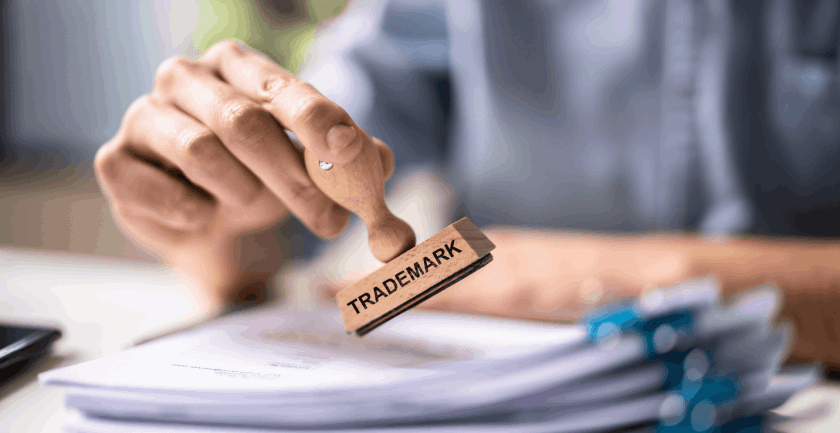
Trademark law plays a distinctly different role. Instead of protecting creative expression, trademarks guard brand identity—the signs, symbols, and words that help consumers identify a product, service, or company. A strong trademark distinguishes one business from another, reducing confusion and building trust.
In the modern world, where competition saturates nearly every industry, trademarks carry immense commercial value. Whether it’s a memorable logo, a clever brand name, a unique slogan, or even a specific color pattern associated with a service, trademarks communicate reputation. They promise consistency, reliability, and quality. That’s why the moment you start building a business, trademark considerations should run parallel to your branding efforts.
Trademark protection prevents others from using confusingly similar identifiers. When companies misuse or imitate brand elements, consumers can be misled, and brand value deteriorates. Trademark law exists to prevent exactly that. It shields business identity in a competitive landscape.
Working with a legal professional—especially those with the experience offered by a team like Project Patent—helps entrepreneurs evaluate whether a name or logo is strong, distinctive, and legally available. Because trademark issues often surface during growth stages, getting the right help early can save businesses from rebranding headaches and legal disputes down the road.
Though both fall under intellectual property, copyright and trademark law function differently and protect different assets. Copyright focuses on creative expression; trademark centers on branding and commercial identity. One guards artistic originality, while the other protects consumer perception and market trust.
This distinction becomes clearer when you consider what each law actually stops others from doing. Copyright prevents unauthorized use of creative works. Trademark prevents confusion in the marketplace. A business could copyright its marketing materials but trademark its brand name and logo. A filmmaker owns copyrights for films and scripts, but if they launch merchandise, trademarks come into play.
Their durations differ as well. Copyright lasts for the life of the creator plus several decades, depending on jurisdiction. Trademarks can last indefinitely, as long as they are actively used and renewed. That means a brand identity could technically live forever, while a song or a novel eventually enters the public domain.
Understanding these contrasts is critical when deciding how to protect what you’ve created. Sometimes you need both forms of protection. Other times you may require additional support, such as a patent service for inventions that don’t fall under copyright or trademark law. That’s why integrated legal guidance from firms like Project Patent by Kaufhold and Dix Patent Law becomes so valuable—they help clients map out an entire protection strategy, not just isolated filings.
Determining whether you need copyright or trademark protection depends on what you’re creating and the goals behind it. If you’re producing content—stories, designs, art, software—copyright is the foundation. If you're building a brand, launching a product line, or establishing a business identity, trademark law is your essential line of defense.
Many creators and entrepreneurs underestimate how interconnected these protections can be. For example, a business might create original website content, graphics, and product packaging. The artistic elements fall under copyright, but the brand name and logo require trademarks. Understanding this dual layer of protection ensures every part of your creative output or business presence has appropriate legal coverage.
It’s also important to acknowledge the limitations of each. Copyright won’t protect a business idea, a product name, or a logo. Trademark won’t safeguard a song, poem, or film. And neither can protect a new invention or technical solution. That’s the realm of patents, where inventors learn how to patent an idea and secure exclusive rights to their innovations.
This is where expert legal guidance becomes crucial. Professionals in the intellectual property field evaluate your assets, anticipate potential risks, and recommend the right bundle of protections. A misstep at this stage can cost far more later—especially if someone infringes on your work or uses a similar brand name that confuses customers.
While this article focuses on copyright vs. trademark law, the conversation inevitably expands into patents when discussing intellectual property holistically. Copyright and trademark protect expression and brand identity—but they do not safeguard inventions, processes, or technical improvements.
If you’ve created a new product, engineered a unique mechanism, or developed a novel process, your next step is understanding how to patent an idea. This process is far more complex than copyright or trademark registration. It requires detailed claim drafting, technical descriptions, illustrations, and careful strategy. The patent examination process includes multiple stages, office actions, and back-and-forth communication with the patent office.
That’s exactly why many innovators turn to a Patent attorney or Patent lawyer to guide them through the journey. Firms like Project Patent by Kaufhold and Dix Patent Law offer structured patent services that simplify the experience, often with clear flat-fee pricing that avoids the financial surprises common in traditional legal billing.
Working with professionals ensures your invention is accurately described, fully protected, and positioned for commercial success. Copyright won't secure an invention. Trademark won't protect a technology. Patents are the only mechanism that legally prevents others from making, using, or selling your innovation.
The more deeply you understand intellectual property—copyrights, trademarks, and patents—the more effectively you can protect your ideas, your brand, and your long-term success. Every creator and business owner should feel empowered, not overwhelmed, by the legal tools available to them. Knowing the difference between copyright law and trademark law is a major step toward that empowerment.
This knowledge helps you avoid accidental infringement, strengthen your brand, secure your creative output, and turn innovations into valuable assets. It also helps you choose the right legal partner—one who offers clarity, transparency, and a proven track record. With the right guidance, your creative and entrepreneurial dreams become more than ideas—they become protected, competitive, and ready to thrive.
No Code Website Builder