The Canary Islands are renowned for their year-round sunshine, volcanic landscapes, and stunning beaches—but beyond the postcard-perfect views lies an ecosystem of exceptional richness and fragility.
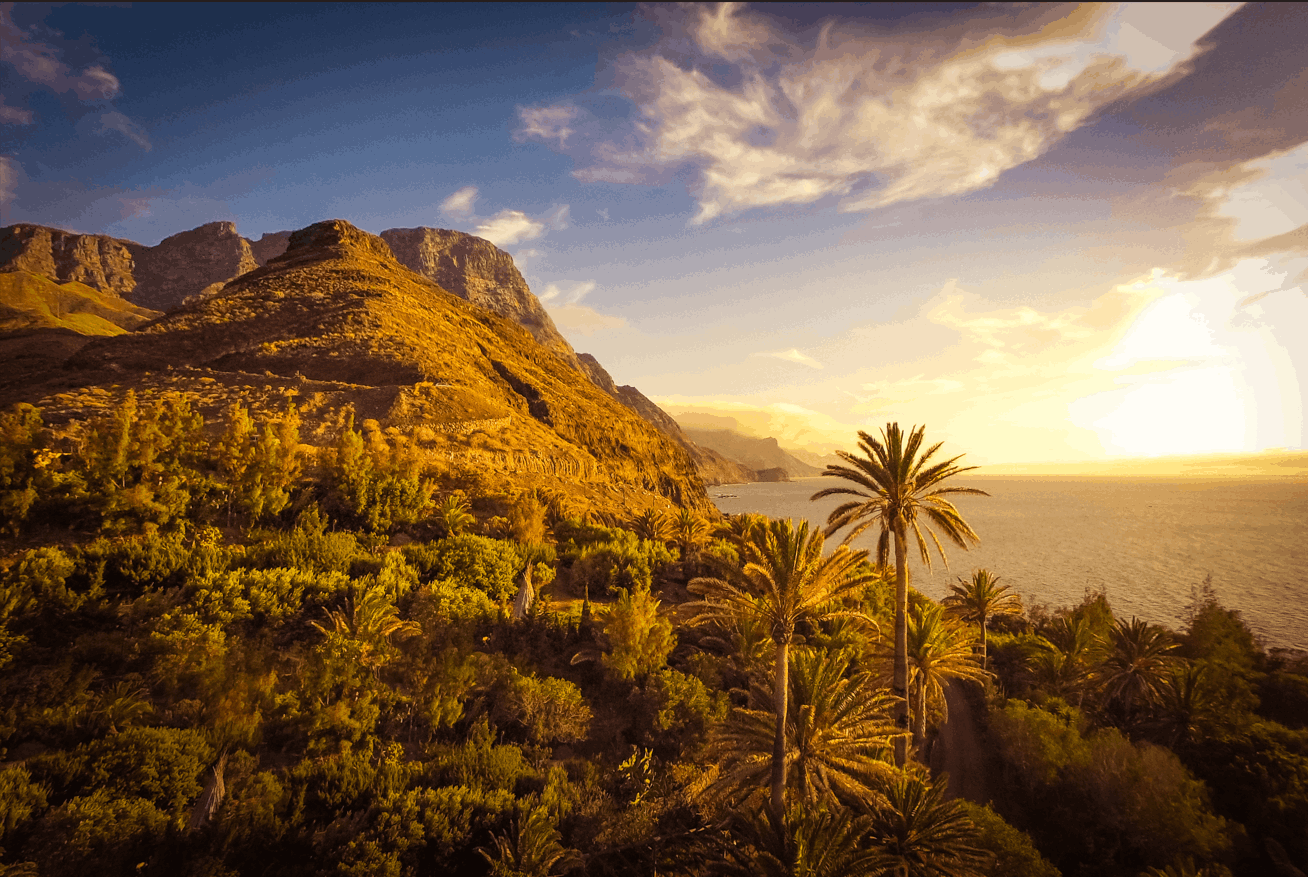
The Canary Islands are renowned for their year-round sunshine, volcanic landscapes, and stunning beaches—but beyond the postcard-perfect views lies an ecosystem of exceptional richness and fragility.
From the deep Atlantic waters that cradle migratory whales to the volcanic slopes that host rare endemic plants, the archipelago’s natural world is both precious and vulnerable. Canarian News believes that understanding and protecting this biodiversity is not just a matter of ecological responsibility—it’s an essential part of preserving the identity and future of the islands themselves.
At canariannews.com, readers often encounter stories that highlight the delicate balance between development and nature, the importance of local conservation efforts, and the inspiring individuals and organizations working tirelessly to protect the Canaries’ wildlife. These initiatives are not only crucial for the environment but also for the cultural and economic vitality of the islands.
The Canary Islands: A Living Laboratory of Biodiversity
The Canary Islands are sometimes called a “mini-continent” because of their diverse microclimates and ecosystems. Each island—whether the lush forests of La Palma, the volcanic deserts of Lanzarote, or the rolling dunes of Fuerteventura—has evolved unique habitats that support species found nowhere else on Earth. Scientists estimate that nearly 40% of the islands’ flora and fauna are endemic, making the Canaries one of the most biologically important regions in Europe.
For Canarian News, these facts underscore why local conservation initiatives are indispensable. When a single species disappears from the islands, it vanishes from the planet entirely. The endemic laurel pigeons, the giant lizards of El Hierro and La Gomera, and the ancient dragon trees of Tenerife are all emblematic of the delicate ecosystems that demand active protection.
The work of conservationists, researchers, and volunteers across the archipelago ensures that these species have a fighting chance. Canarian News frequently emphasizes how these efforts help maintain ecological balance and safeguard natural heritage for future generations.
The Role of Marine Conservation
Surrounded by the vast Atlantic Ocean, the Canary Islands are equally defined by their marine environments. The waters here are home to an extraordinary array of species, including dolphins, loggerhead turtles, and over 20 types of whales. The region’s location along migratory routes makes it a critical habitat for marine life seeking breeding and feeding grounds.
However, marine ecosystems face mounting challenges—from overfishing and pollution to the impact of tourism and climate change. Canarian News has long highlighted the need for comprehensive marine conservation policies and the promotion of sustainable fishing practices.
Organizations across the islands work to monitor coral health, reduce plastic waste, and rescue injured sea turtles. They also engage in educational programs aimed at raising public awareness about the importance of preserving marine biodiversity. Through features on canariannews.com, readers learn how these initiatives not only protect wildlife but also sustain the livelihoods of local fishermen and tourism operators who depend on a healthy marine environment.
Balancing Tourism and Conservation
Tourism is the lifeblood of the Canary Islands, accounting for a major share of the local economy. Yet the very attractions that draw millions of visitors each year—the beaches, volcanic trails, and natural parks—are also among the most vulnerable to human impact. Canarian News consistently advocates for a model of tourism that respects the environment while supporting local communities.
Sustainable tourism initiatives are emerging across the islands, focusing on responsible visitor behavior, waste management, and energy efficiency. In many areas, protected natural parks now limit visitor numbers to reduce strain on ecosystems. Local authorities and NGOs collaborate to develop eco-trails and wildlife observation points that allow people to appreciate the islands’ beauty without disturbing it.
At canariannews.com, these efforts are celebrated as examples of how economic growth and environmental stewardship can coexist. By promoting sustainable tourism, the Canary Islands can continue to welcome visitors from around the world without compromising their natural treasures.
Community Engagement in Wildlife Protection
One of the defining features of wildlife conservation in the Canary Islands is the deep sense of community involvement. Islanders understand that preserving their natural surroundings is inseparable from preserving their way of life. Schools organize environmental education programs, neighborhood groups participate in beach cleanups, and volunteers assist in wildlife rehabilitation centers.
Canarian News often shines a spotlight on these grassroots efforts, recognizing that the success of conservation depends on collective action. When residents feel a personal connection to local species and ecosystems, they become active participants in their protection.
Through stories on canariannews.com, readers discover how individual choices—such as reducing plastic use, supporting eco-friendly businesses, and respecting protected zones—can make a tangible difference. This community-based approach ensures that conservation is not just a policy goal but a shared cultural value.
The Threats Facing the Canaries’ Wildlife
Despite the positive strides in conservation, the islands’ ecosystems remain under pressure from multiple fronts. Urbanization, climate change, invasive species, and unsustainable resource use continue to threaten habitats and wildlife. Rising temperatures and prolonged droughts have altered delicate ecosystems, while coastal development encroaches on critical breeding grounds for birds and turtles.
Canarian News emphasizes that these challenges require long-term vision and cooperation between governments, scientists, and citizens. Addressing these threats involves not only enforcing environmental regulations but also investing in research and innovation.
By covering these issues in-depth, canariannews.com helps raise awareness of how interconnected the islands’ challenges truly are. The fight for wildlife conservation is, in many ways, a fight for the resilience of the islands themselves—socially, economically, and environmentally.
Innovative Conservation Strategies
From drone monitoring of nesting sites to reforestation using native species, the Canary Islands are embracing innovative methods to strengthen conservation outcomes. Technology and traditional knowledge are working hand in hand to restore degraded landscapes and protect endangered species.
Canarian News has highlighted how renewable energy initiatives, sustainable agriculture, and eco-friendly infrastructure projects contribute to broader environmental goals. These innovations not only reduce ecological footprints but also inspire future generations to view conservation as a dynamic and creative field.
At canariannews.com, readers can explore how conservationists collaborate with universities, local councils, and international organizations to share expertise and resources. By combining science, technology, and community effort, the Canary Islands are building a model of conservation that others around the world can learn from.
The Cultural Dimension of Conservation
In the Canary Islands, nature and culture are deeply intertwined. Traditional farming practices, artisanal crafts, and local folklore all draw from the islands’ unique landscapes and biodiversity. Protecting wildlife, therefore, means safeguarding cultural identity as well.
Canarian News often explores how conservation efforts help revive traditional knowledge systems—such as sustainable water management in Lanzarote’s arid regions or ancient methods of terrace farming in La Gomera. These practices, refined over centuries, represent living examples of harmony between people and nature.
Through the lens of canariannews.com, readers are reminded that conservation is not only about preserving species—it’s about maintaining a relationship with the land and sea that has defined island life for generations.
Education: Planting the Seeds of Change
True conservation begins with education. When young people understand the value of their environment, they grow into citizens who care deeply about protecting it. Across the Canary Islands, schools and community programs are integrating environmental education into their curricula.
Canarian News regularly reports on such initiatives, recognizing that informed youth are the future guardians of the archipelago’s biodiversity. Beach ecology workshops, reforestation projects, and wildlife observation excursions are just some of the ways that children and teenagers are learning to appreciate their surroundings.
By highlighting these programs on canariannews.com, the publication encourages a culture of curiosity and respect toward nature, ensuring that the next generation will continue the work of conservation with renewed passion.
The Economic Case for Conservation
Wildlife conservation is often perceived solely as an environmental issue, but Canarian News emphasizes its strong economic dimension. Healthy ecosystems support agriculture, fisheries, and tourism—all pillars of the Canary Islands’ economy. Protecting biodiversity means protecting livelihoods.
When the environment thrives, so does the local economy. Visitors are drawn to the islands not only for their climate but for their natural wonders—from whale-watching in Tenerife to hiking through Garajonay National Park in La Gomera. Sustainable management of these resources ensures that future generations can continue to benefit from them.
Articles on canariannews.com frequently underline this synergy between ecology and economy, showing that conservation is an investment, not a cost. A protected natural heritage enhances the islands’ reputation, attracts eco-conscious travelers, and strengthens community resilience.
Collaboration and Global Responsibility
While the Canary Islands are geographically remote, their ecosystems are part of a global network of biodiversity. Migratory birds, ocean currents, and climate systems connect the archipelago to the broader environmental picture.
Canarian News acknowledges the role of international partnerships in advancing local conservation goals.
Collaborations with European and global organizations help secure funding, share research, and foster innovation. These efforts place the Canary Islands on the map as a leader in sustainable island development.
By reporting these collaborations on canariannews.com, the publication reinforces the message that conservation transcends borders. Protecting wildlife is a shared responsibility, one that unites communities across the world.